I'm an aspiring physician, published vision researcher, and former NCAA Division I tennis captain. I graduated with a B.S. in Biology (Chemistry minor) from the Honors Program at Coppin State University in Baltimore, where I balanced full-time coursework, varsity athletics, and three campus jobs.
In the lab, I studied how oxidative stress damages the neural retina and how the metabolic antioxidant pyruvate can protect it, work relevant to age-related macular degeneration. On the court, I captained a team of athletes from 12 countries. In the clinic, I spent a year as a surgical technician in Mohs micrographic surgery, assisting procedures and caring for patients before and after their operations.
Today I work alongside First Nations communities in Western Canada on funding strategy and community development, learning every day what health, resilience, and self-determination look like outside hospital walls.
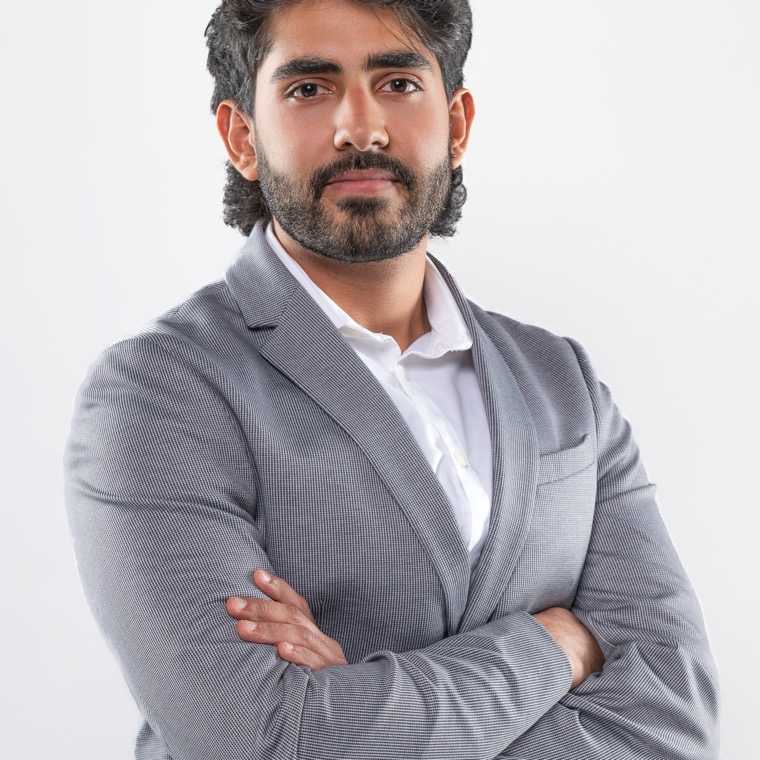
Born and raised in New Delhi. Introduced to tennis by my father, the bond that shaped everything after.
Arrived in the U.S. at 18 on a partial scholarship. Earned a full ride through athletic, academic, and external awards.
1,400+ hours investigating retinal oxidative stress, leading to a first-author publication and an ARVO presentation.
A full gap year in dermatologic surgery at WellAve Dermatology: patient prep, assisting procedures, histories, and post-operative care.
Working with First Nations communities on funding and development while preparing for medical school.
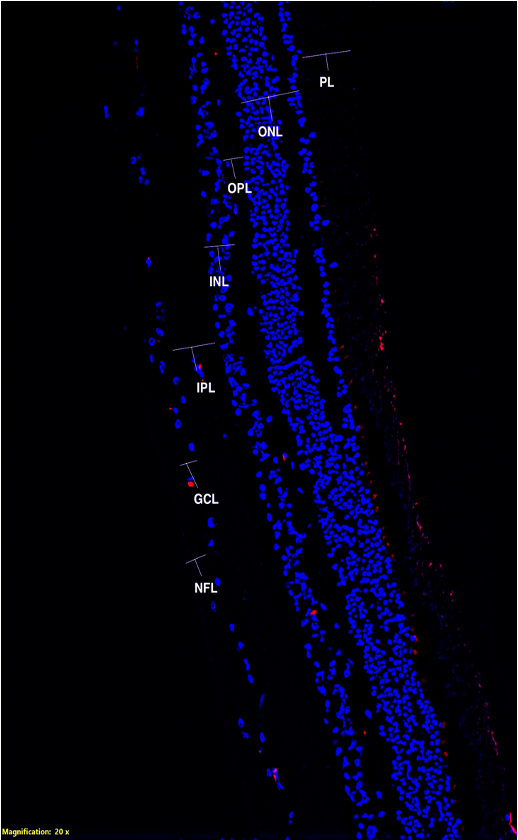
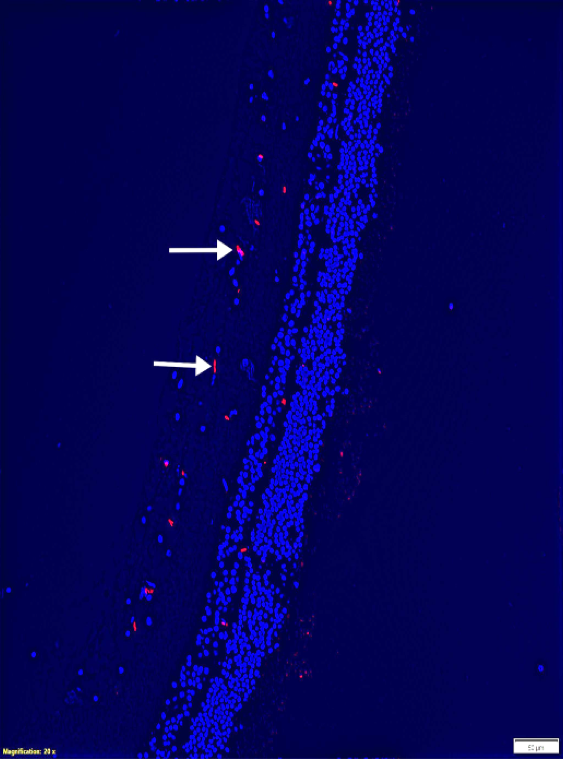
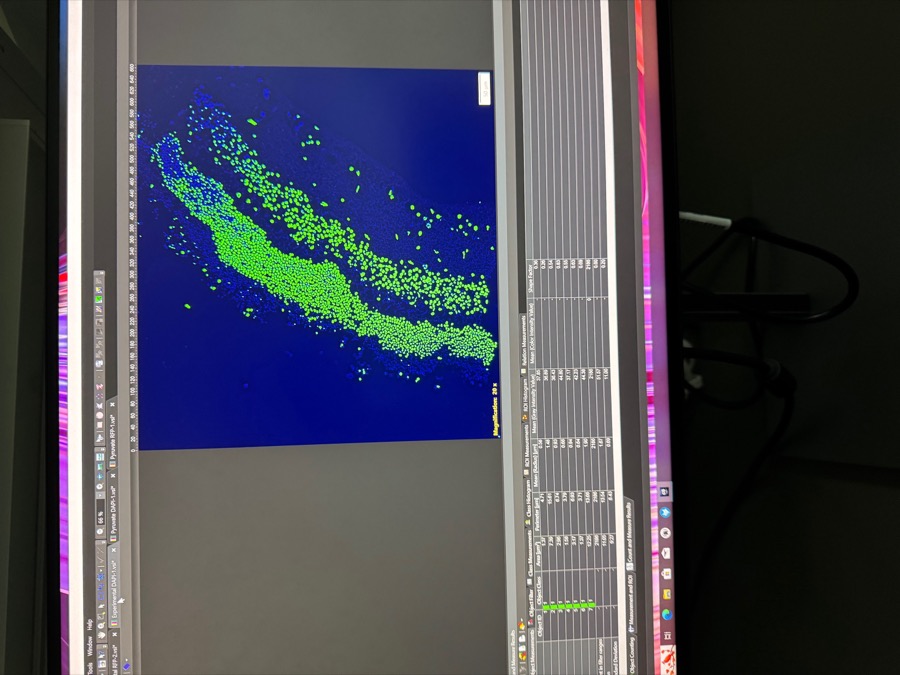
At Coppin State's Ophthalmic Research Laboratory under Dr. Kavita Hegde, I investigated how reactive oxygen species disrupt metabolism and trigger apoptosis in the neural retina, and whether pyruvate supplementation can rescue it. My thesis work earned the department's Best Thesis Presentation award.
Kapoor, V., Stevens, C., & Hegde, K. (2025). Biochemistry & Physiology, 14:512.
DOI: 10.4172/2168-9652.1000512 ↗Kapoor, V., & Hegde, K.R. Building on the published enzymology work with TUNEL-based apoptosis assays, including a dissection technique I designed to preserve retinal tissue through a seven-hour protocol.
Presented neuroprotection findings at the Association for Research in Vision and Ophthalmology Annual Meeting (Salt Lake City), the Greater Baltimore Society for Neuroscience, and PULSE Baltimore.
My research lives in the back of the eye, so here it is. The eye below watches your cursor (click it to make it blink). Dive through the pupil and you land inside a living cross-section of the neural retina: photons rain in, photoreceptors convert them to electrical pulses that race back up to the optic nerve. Hover the layers to meet them. Then flip on oxidative stress, watch the photoreceptors suffer, and rescue them with pyruvate, exactly the experiment from my published work, minus the seven-hour assay.
Not illustrations: these are figures from my own thesis work in the Ophthalmic Research Laboratory. Click any image to enlarge.


Prepped patients, assisted in micrographic surgical procedures, prepared lab work, took histories, maintained sterile fields, and supported post-operative care across a full year of daily patient contact.
First point of contact for injured athletes before the athletic trainer, physical therapist, or physician. Wound care, injury assessment, vitals, charting, and scribing in the team physician's clinic.
Observed two physicians with distinct training pathways (primary care and emergency medicine), comparing how their backgrounds shaped documentation, communication, and diagnostics.
Led teaching sessions for two departments, translating textbook concepts into real lab scenarios and adapting to a wide range of learning needs in large classes.
Identified a gap in freshman athlete support, advocated for a new program, secured funding for 8 mentors, and ran weekly meetings on time management, safety, and team dynamics.
Promoted from coach to Assistant Director. Managed lesson plans and schedules for 6 to 8 coaches while ensuring the safety of 200+ children.
Supporting First Nations communities on funding strategy and economic development projects, from food sovereignty to community infrastructure.
Advocated for 200+ student-athletes: dining accommodations for athletes missing meals, nutrition access in a food desert, and representation at conference-level SAAC meetings.
Led tennis clinics for children in underserved West Baltimore neighborhoods, refereed Special Olympics events, coordinated clothing drives, and served meals at soup kitchens.
2,500 hours of practices, lifts, travel, and matches for Coppin State University, captaining a roster drawn from 12 countries across five continents in my final season. Tennis taught me everything medicine will demand: discipline, composure under pressure, and how to lead people who are nothing like you.
Open to research collaboration, clinical opportunities, and conversations about medicine, vision science, and community health.